

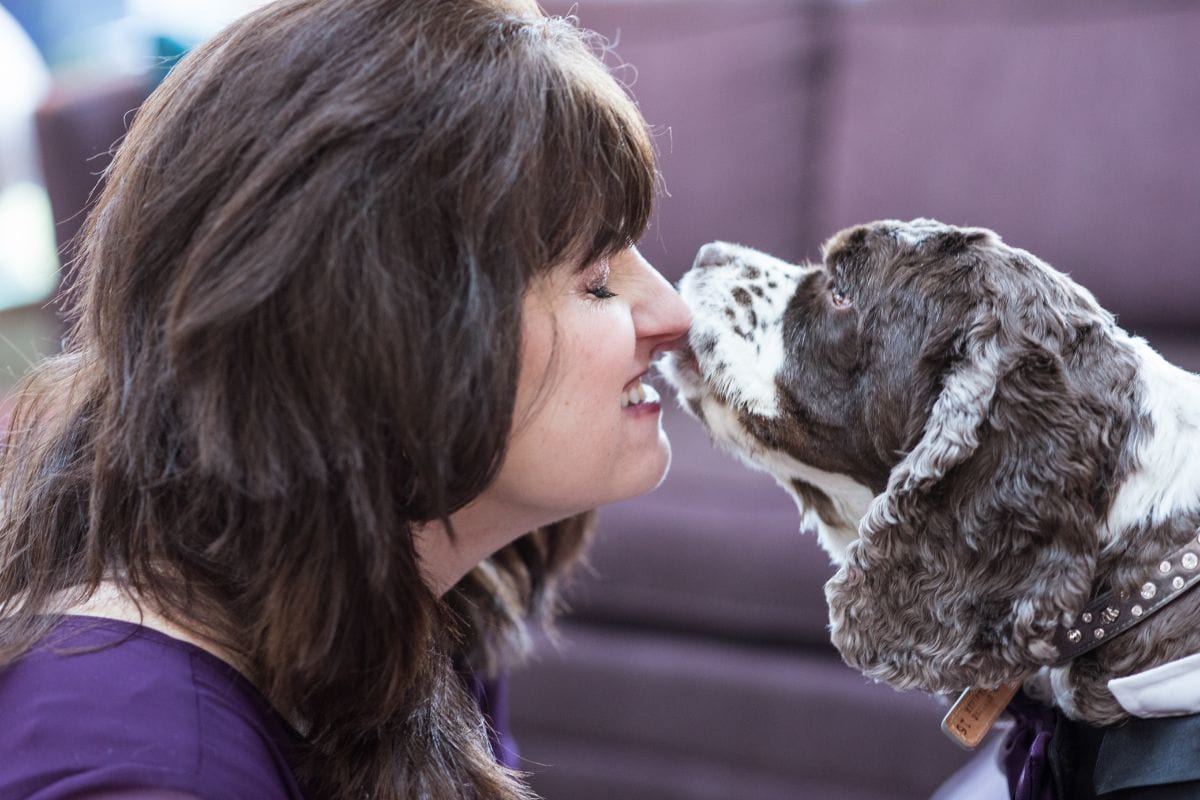
Why Does My Dog Follow Me Everywhere? What It Really Means

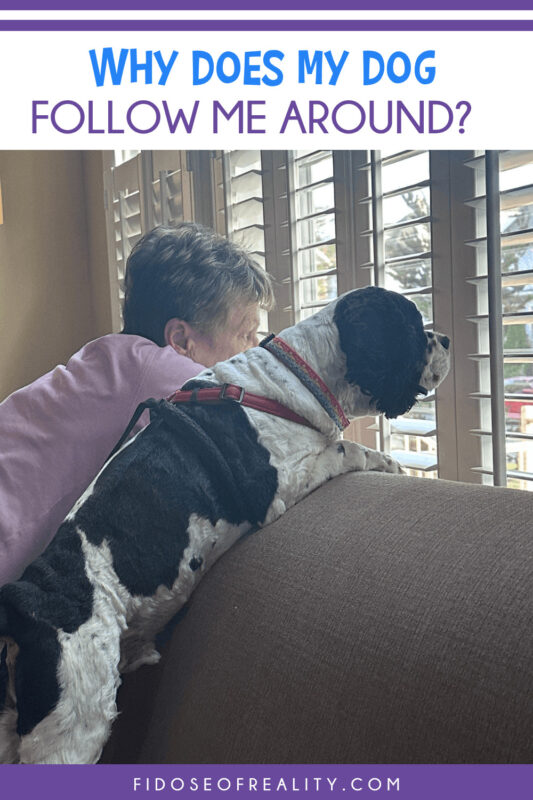
Trying to figure out “why does my dog follow me everywhere” is something millions of pet parents wonder every single day. From the kitchen to the bedroom to the bathroom, some dogs seem determined to stay within a few feet of their favorite person at all times. I know from personal experience over 30 years!
Most dogs follow their owners because of bonding, curiosity, routine, or learned behavior. While having a canine shadow is often completely normal, constant following can sometimes be associated with anxiety, stress, illness, or age-related changes.
The key isn’t simply whether your dog follows you. It’s whether your dog can also relax comfortably when you’re not nearby. I haven’t been alone in the bathroom for years, as our dogs feel it’s their duty to stay by my side despite the closed door. If you’ve ever had a dog bang on a door with their paw, you know exactly what I mean.
Why Does My Dog Follow Me Everywhere?
Most dogs follow their owners because of bonding, curiosity, routine, or learned behavior. While this is often completely normal, constant shadowing can sometimes indicate anxiety, stress, illness, or age-related changes. The key is determining whether your dog can also relax comfortably when you’re not nearby.
Dogs have a long list of reasons for sticking close, and most aren’t cause for concern. You’re the source of food, walks, play, and access to nearly everything interesting in their world, and you’re more predictable than you realize; head toward the fridge at a certain hour, and someone tends to materialize behind you.
Sometimes it’s simply a habit that’s paid off before, and sometimes your dog just genuinely likes being wherever you are (I see you , Cocker Spaniel parents).
1. Love and Attachment
Dogs form real, lasting bonds with their people. If your dog can still nap solo, play independently, and stay relaxed when you step away, that’s ordinary attachment and not a red flag.
2. Your Dog Has Learned That Following Pays
Dogs are sharp beings. A bit of conversation, a dropped bite, a quick scratch, and your dog may have worked out a simple formula: follow human = good things happen. That’s learned behavior, not necessarily anxiety.
3. Breed Tendencies and Personality
Some dogs are simply wired to be more people-focused than others, especially companion breeds. But breed alone doesn’t decide whether you end up with a Velcro dog; genetics, early experiences, training, and temperament all factor in, too.
Cockers are dubbed Velcro dogs for a reason: they want to be by you all the time. I feel like the males are more clingy than females, but each dog is unique, just like people. Sometimes I have to ask my dog, Sir Alvin, to move because he is wrapped around my feet in my home office chair.
4. Curiosity
You know where you’re going. Your dog doesn’t. Getting up from the couch could mean dinner or a walk, and following is simply the fastest way to find out. Dogs are pack members, after all.
5. Attention and Routine
Dogs read patterns well. If you play after dinner or hand out a bedtime treat, your dog may start shadowing you as that time approaches, and they learn that nudging or whining gets attention, too.
Does Following Mean My Dog Has Separation Anxiety?
No. Following you everywhere doesn’t automatically mean separation anxiety. The Merck Veterinary Manual notes that dogs with close attachment behaviors aren’t necessarily at greater risk than dogs without them. Separation distress is about what happens once the dog is actually apart from you, not how much they enjoy your company beforehand.
Watch instead for:
- Persistent barking, whining, or howling after you leave
- Destructive behavior near doors and exits
- Pacing or an inability to settle
- House soiling tied specifically to departures
- Panic as you’re leaving, or frantic attempts to escape
- Refusing food while alone
If you’re not sure what happens once you’re out the door, video can tell you a lot. I often recommend that pet parents buy a home monitoring camera to keep an eye on what their dog is doing while they’re away.
BONUS: I recently took a deeper dive into this distinction specifically for Cocker Spaniel parents in Cocker Spaniel Separation Anxiety: Is It Anxiety or Just the Breed?. If you live with a little Velcro Cocker, that article includes the signs I watch for and how I tell normal Cocker clinginess from behavior that deserves a closer look.
Why Is My Dog Suddenly Following Me Everywhere?
A sudden shift deserves more attention than a dog who’s followed you around for years. Changes in hearing, vision, pain, illness, or aging can all affect how secure your dog feels. Senior dogs may also be dealing with canine cognitive dysfunction syndrome (CDS), which can manifest as disorientation and increased clinginess towards you or another pack member.
If a previously independent dog suddenly won’t leave your side, especially alongside other changes, it’s worth a veterinary visit; don’t assume they’ve simply decided to become extra affectionate overnight.
PRO TIP: Track your dog’s behavior and more with our DogMinder Health and Wellness Journal for under $10 on Amazon.

Can a Dog Become Too Attached?
I’d rather ask: can my dog function comfortably without being glued to me? A healthy bond doesn’t require hours of isolation; it means your dog gradually learns that resting and relaxing solo are safe. That’s especially important for puppies: start teaching independence early, rather than waiting until you must leave for hours at a stretch.
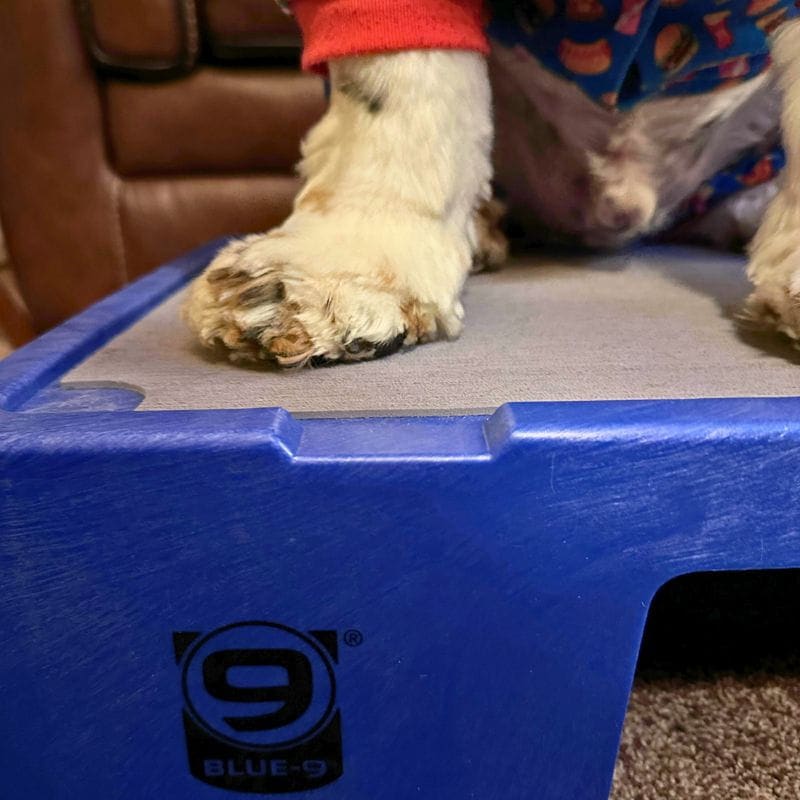
One way I help my dogs practice being comfortable without constantly shadowing me is with place training. The Blue-9 KLIMB elevated training platform gives your dog a clearly defined spot to go, which can be especially useful when teaching settling, focus, and calm independence. Start during quiet times when your dog is already relaxed.
Reward your dog for getting onto the KLIMB and spending a short amount of time there, then use a consistent release cue when it’s time to get off. With practice, that designated place can become somewhere your dog understands: I can hang out here while my person does something over there.
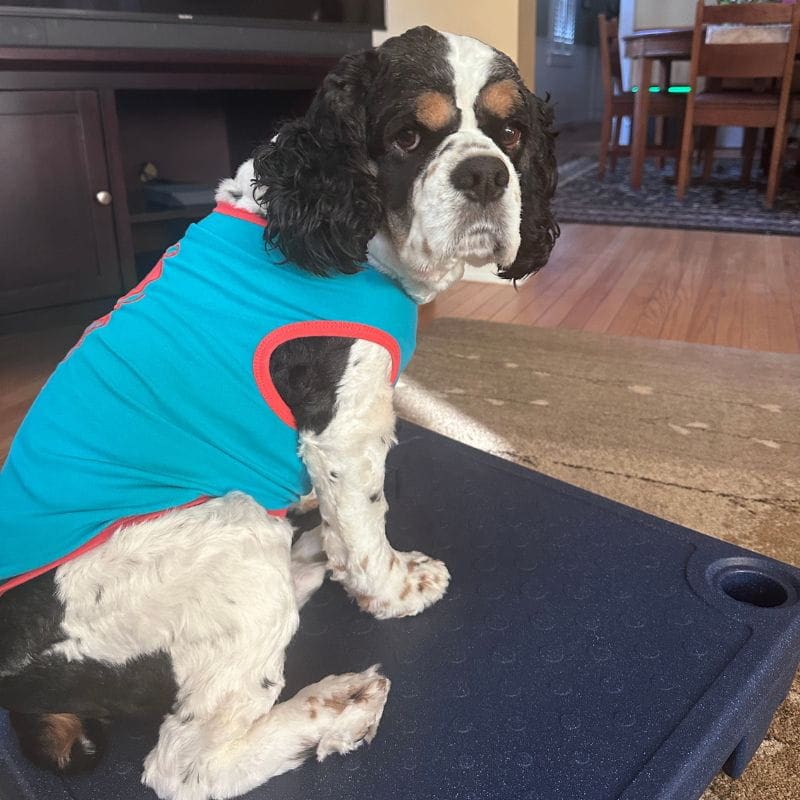
For smaller spaces or dogs who don’t need the full-size platform, the Blue-9 KLIMB Jr. offers the same idea in a more compact size. I especially like the concept of using KLIMB as part of everyday life rather than waiting until a dog is already worked up.
Practice while you’re cooking dinner, answering email, folding laundry, or moving around the room. You’re not trying to keep your dog away from you or “cure” a Velcro dog. You’re giving them another option besides following your every footstep and reinforcing the idea that relaxing in their own spot can be rewarding, too
Save 20 percent using code FIDOSE20 at checkout on most items!
How to Encourage Healthy Independence in Dogs
The goal isn’t to make your dog stop loving your company. It’s to teach a different, equally valuable skill: you can relax even when I’m not right beside you. This really helps if your dog has to spend any time away from you.
Start small. Reward your dog for resting quietly without demanding attention, offer enrichment that doesn’t need your participation, and build predictable routines. You can also teach a designated “place” of their own.
Teach Your Dog a Place of Their Own
I’m a big believer in a reliable “place” or “go to your spot” cue, a clearly defined platform can make the concept click faster, since there’s an obvious physical boundary. Teaching your dog the “go to your spot” or “place” command gives them a safe place to relax when guests arrive or when you need them to stay out from underfoot.
BONUS: I’ve used place training with my dogs for years, and I walk you through exactly how I taught my dogs place training step by step, including the cues and techniques I use at home.
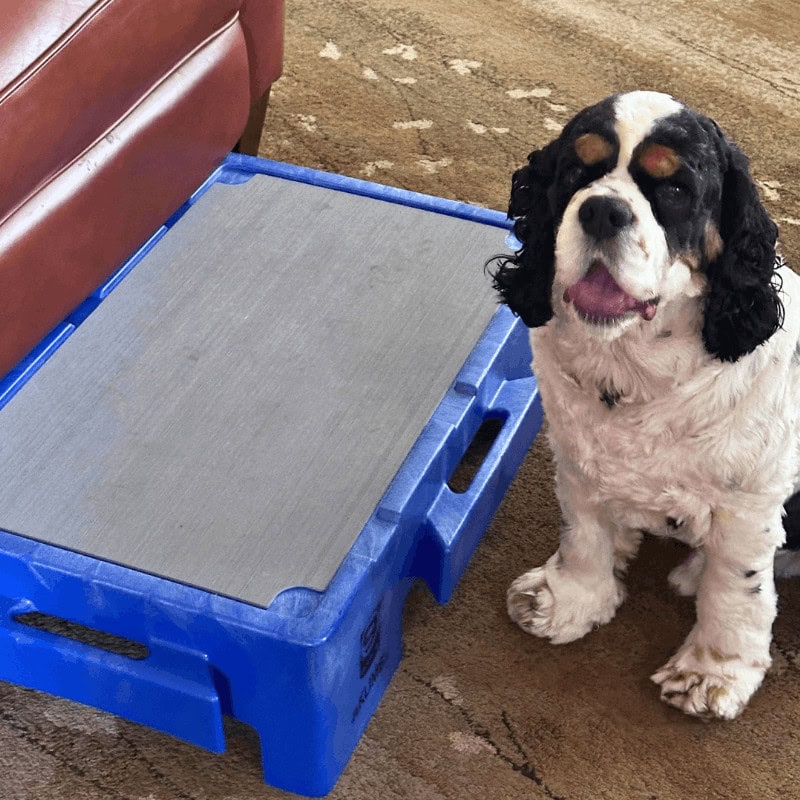
I’ve used the Blue-9 KLIMB with my own Cocker Spaniels. The elevated platform gives dogs a designated space for place work, settling, and impulse-control practice. Blue-9 also makes the KLIMB Jr.®, a smaller 24-by-15-inch, six-inch-high platform, which is a nice option without the full-size footprint.
We take the KLIMB Jr with us on vacation because it gives Sir Alvin a piece of home. He likes to chill on it, take a nap, and even uses it as a platform to hop onto the couch while traveling!
Start by making the spot rewarding and ask your dog onto the platform, mark and reward it, and keep sessions short.
Over time, work toward relaxing there while you’re nearby, and eventually while you’re moving around the room. The point was never banishment (that’s mean)…it’s helping your dog understand they have their own comfortable spot and don’t have to trail you every second. For dogs with significant anxiety, place training supports the plan but isn’t a replacement for behavioral or veterinary care.
When Should I Be Concerned About a Clingy Dog?
The dog following you usually matters less than your dog’s overall behavior around it. A dog who trails you into the bathroom and then snores on the couch for two hours isn’t telling you the same story as a dog who panics every time a door closes between you.
Reach out to your veterinarian if the following is new or shows up alongside other changes like pain, appetite shifts, confusion, or unusual anxiety.
The Bottom Line on Your Canine Shadow
So, why does your dog follow you everywhere? Probably because you’re a genuinely important part of their world. What matters most is balance: we want our dogs connected to us, but real confidence also means being able to settle without constantly tracking where we are.
And if you haven’t used the bathroom alone since getting a dog? Welcome to the club; I see you.
FAQs
Same reasons they follow you anywhere else: curiosity, habit, or wanting to stay close. On its own, following you into the bathroom isn’t evidence of separation anxiety.
Puppies rely heavily on their caregivers as they adjust to a new environment. Start offering age-appropriate opportunities to relax and play independently early on.
A senior dog who suddenly starts following you more closely may be experiencing pain, changes in vision or hearing, anxiety, or age-related cognitive changes. Any significant or sudden change in your older dog’s behavior is worth discussing with your veterinarian.
Following alone won’t tell you. Consider whether your dog can settle independently and stay comfortable when you’re away. Panic or significant distress when you’re apart deserves professional attention.
Training can help a dog learn that being away from your side is safe and rewarding. Place training, enrichment, predictable routines, and rewarding calm, independent behavior can all help build confidence without discouraging the bond you share.
Some dogs bred specifically for companionship or to work closely alongside people may be more inclined to stay near their humans. However, breed is only one factor. Personality, genetics, experiences, training, reinforcement, and household routines can all influence how closely a dog follows someone.
Both give your dog a clearly defined physical spot for place training. The full-size Blue-9 KLIMB is a 24-inch-square elevated platform, while the more compact KLIMB Jr. measures 24 by 15 inches. Either can be used to teach a dog to settle in a designated spot rather than constantly following you.
Talk to your veterinarian when following starts suddenly or appears alongside other changes in your dog’s health or behavior. Pain, sensory changes, illness, anxiety, or cognitive dysfunction can all play a role, especially in senior dogs.
My girl definately has separation anxiety, she does not stop whining, howling, crying, and running around until I get home! I currently have no space to train place, we do it outside but not inside.
Do you have a bedroom or kitchen or living room area that you can do place training and slowly increase the time from her while training her stay in place? It may take a month or two but even 5 minutes a day may help. Keep me posed, Cyndi!