
How to Foster a Dog: Here’s What It Involves and How to Help

How to foster a dog is a question many animal lovers ask when they want to help but aren’t ready to adopt permanently. With over 5.8 million dogs and cats entering U.S. shelters every year, far too many pets never experience the stability of a loving home environment. Fostering gives dogs a safe place to land while they wait for adoption or until their families can care for them again.
Whether you’re considering fostering for the first time or simply exploring ways to make a difference, understanding how fostering works can help you decide if opening your home and heart (even temporarily) is the right choice.
Dan and Naomi Lukaszewski know all too well how fostering can make a difference. As of this writing, they’ve fostered 160 Cocker Spaniels and mixed breeds. In this guide, we’ll cover how to foster a dog, how the process works, and ways to get involved, even if fostering isn’t the right fit for you right now.
Fostering A Dog: What It Means
Fostering a dog means providing a temporary home for a dog who needs care, stability, and daily support. People who foster a dog help bridge the gap between uncertainty and stability, giving dogs time to decompress and adjust.
The goal is to help the dog until:
- the dog finds a permanent home
- the dog’s owner is able to take them back
- the dog completes medical or behavioral recovery
- space becomes available at a shelter or rescue
Foster homes help reduce overcrowding in shelters and give dogs the opportunity to live in a home environment where they can feel more secure and relaxed.
“We’ve had several fosters that ended up with a rescue because they outlived their owners, and there was no one in the family who could take the dog,” Naomi explains. “I never cry when my fosters leave.”
She admits that one of the joys of fostering a dog is teaching a “backyard breeder” pup how to snuggle in a lap:

How to Foster a Dog Step-by-Step
While every organization has its own process, most foster journeys follow similar steps.
Research foster organizations
Many shelters, dog rescues, and nonprofits rely on foster homes. Some programs focus on helping dogs find adoptive homes, while others provide temporary foster care so pets can return to their families once a difficult life situation resolves.
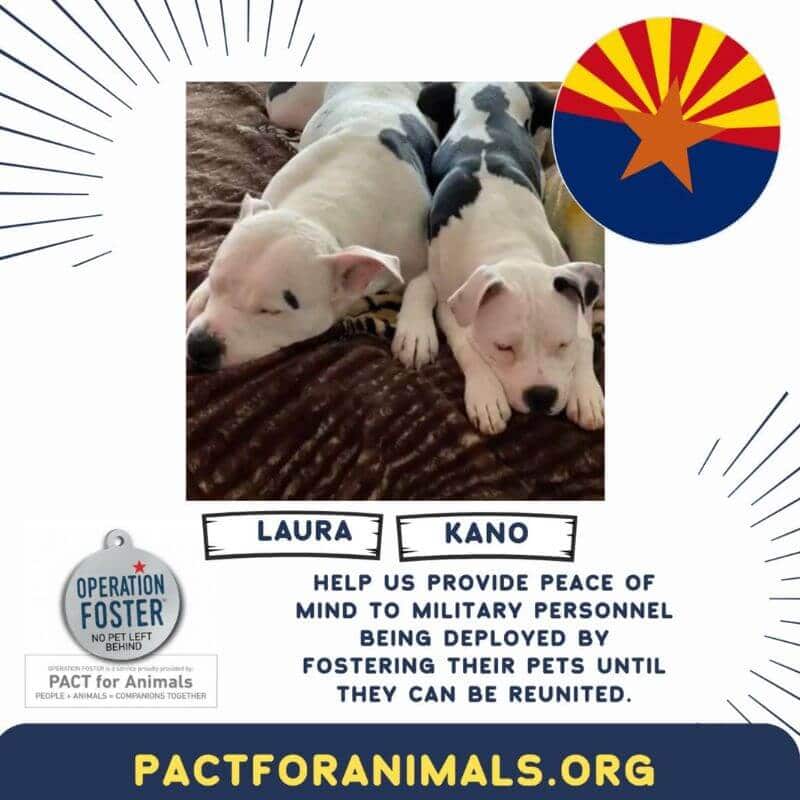
For example, PACT for Animals provides temporary foster homes for pets whose owners are experiencing military deployment, hospitalization, or medical recovery.
Submit an application
Applications to foster a dog usually ask for:
- basic contact information
- housing details
- pet experience
- preferences for dog size, age, or temperament
Screening and approval
Organizations may conduct:
- phone or video interview
- reference checks
- virtual home visit
- onboarding guidance
PACT notes that screening helps ensure a safe, low-stress placement for both the dog and the foster family. For people who need someone to foster their dog, PACT for Animals works with military personnel who are deployed or with a person going into the hospital for medical treatment.
Get matched with a dog
Matching you with a dog takes into consideration things like:
- size and energy level
- personality and behavior
- special needs
- household environment
- experience level of foster
Fun Fact: Some foster dogs bounce back quickly; others take weeks to show any comfort or trust. Neither timeline reflects how the dog will ultimately do or how well you’re fostering. Your job isn’t to “fix” them. It’s simply to give them a safe, stable bridge to their forever home.
The First Few Days: How Foster Dogs Adjust
Like kids, no two dogs are alike. Many rescue and foster organizations describe what’s commonly called the “3-3-3 rule,” which is a famework for understanding how a dog settles in over time:
- First 3 days: Your foster dog may feel overwhelmed, shut down, or anxious. They might refuse food, hide, or seem uninterested in interaction. This is completely normal, as they’re processing an enormous amount of change.
- First 3 weeks: As they begin to relax, their true personality starts to emerge. You may notice more curiosity, playfulness, or even boundary testing.
- First 3 months: By this point, most dogs feel genuinely at home and have built real trust with their foster family.
During those initial days, the most important thing you can offer is calm consistency with a predictable routine, gentle interactions, and freedom from pressure to perform or bond on a timeline.
Jean Ann DeMarte Maurice volunteers by transporting short-term foster dogs in New Mexico, and finds the experience very rewarding.
“My dog groomer always squeezes the foster dogs in to get them groomed before they get transported for adoption. God bless her, she only charges me $45 for the fosters, which I pay instead of the rescue as my contribution,” Maurice reports.
“This little guy was so wiggly and so busy trying to kiss everybody’s face that I got charged an extra handling fee and had to pay the normal full price for him to get groomed,” Maurice shares. “When I asked what he did, they said he just kept trying to kiss them while they were grooming him. Lol. They had to have a second person hold him still.

What Does Fostering a Dog Involve Day to Day?
Daily foster care is less complicated than many people expect. Basically, caring for a foster dog looks a lot like caring for your own dog. Your responsibilities typically include feeding, walks and exercise, companionship, reinforcement of basic training, and maintaining a consistent routine. You’ll also stay in regular communication with the organization you’re working with.
That last piece matters more than it might seem. PACT, for example, encourages foster families to send ongoing updates, such as photos, videos, and brief check-ins, so owners can stay emotionally connected to their pets even while they’re away. For a veteran in a VA residential program or a parent undergoing cancer treatment, those updates can be genuinely meaningful.
Cocker Spaniels find themselves in need of fostering for a variety of reasons: overbreeding, puppy mill rejects, improper training, owners moving, or the fact that Cocker Spaniels are a high-maintenance breed.
Carol Bryant It’s always flattering to be mentioned in one of your articles.
“I would add that fostering can be a way to heal your heart after your dog passes away,” Naomi reminded me. “After our first Cocker, Mia passed, we fostered because we weren’t ready to adopt, but couldn’t bear not having a dog in our lives.
The goal of fostering isn’t to replace a dog’s family. It’s to hold space for them until they can go home.
How Long Do You Foster a Dog?
Foster placements vary widely depending on the situation. Some last a few weeks. Others stretch to several months. PACT placements typically range from one month to about a year, depending on what the owner is navigating (e.g., a deployment, a PCS (permanent change of station), a move, or an extended medical treatment).
Short-term placements are just as valuable as longer ones. Even a few weeks out of a shelter environment can make a real difference in a dog’s stability and adoptability. If you can only commit to a brief window, that still counts.
These moves can be incredibly disruptive for families, sometimes involving cross-country or even overseas relocations, tight timelines, and periods where the service member arrives at the new base before their family or housing is sorted out. That transition window is exactly when pet care can fall through the cracks, which is why it’s one of the situations PACT supports.
What Makes a Great Foster Dog Home?
A great foster dog home offers patience, consistency, safety, and a genuine willingness to communicate. Beyond that, the best foster placements come down to fit, not just what you can offer, but what a particular dog needs in order to feel secure and adjust successfully.
PACT for Animals puts significant care into the matching process. Coordinators consider factors such as a dog’s size and energy level, temperament, behavioral history, and any special medical needs. They also look at the foster household itself and whether there are other pets, children, a fenced yard, or someone home during the day.
Foster preferences matter, too. Some families feel most comfortable fostering small or senior dogs, while others are better suited for more active placements.
When the match is right, everyone benefits. Dogs tend to settle in more quickly, and foster families are more likely to have a positive, rewarding experience.
Common Concerns About Fostering a Dog
What if I get attached?
This is the concern we hear most often, and it’s a fair one. Attachment is natural, and in many ways, it’s a sign that you’re doing fostering right. Many people find that the bittersweet feeling of saying goodbye is outweighed by knowing they played a meaningful role in a dog’s story.
My late friend Terry Humerickhouse, a fellow Cocker Spaniel enthusiast, said it best: the sound of dogs barking in a shelter was all the reminder he needed to keep moving fosters through rather than holding on. There were always more who needed him.
What if the dog has behavioral needs?
Organizations work to match dogs appropriately and provide guidance when challenges come up. PACT offers 24/7 support to foster families and connects them with resources if behavioral or medical issues arise during a placement.
Does fostering cost money?
It depends on the organization. Some cover all expenses. PACT provides full financial coverage for food, supplies, and veterinary care; the only cost, Fetterman says, is “emotional.”
What if I can only foster short term?
Short-term placements are often exactly what’s needed. Even a few weeks of stable home care can make a real difference.
How to Help Even If You Can’t Foster a Dog
Fostering isn’t an option for everyone, and that’s okay. There are still helpful ways to support dogs and the organizations that care for them:
- Share foster opportunities within your network: Sharing a simple social media post or word-of-mouth recommendation could connect a dog with exactly the right home
- Donate to reputable organizations that rely on community support to cover food, supplies, and veterinary care
- Volunteer your skills, whether that’s photography, social media, administrative help, or something else entirely.
- Assist with transport to help move dogs between placements or to vet appointments
- Raise awareness by following and sharing organizations like PACT on social media
PACT notes that one of their greatest ongoing needs is simply expanding the number of foster homes available. Sometimes the most powerful thing you can do is tell one person who didn’t know this was possible. One additional way dog lovers can help is through fundraising and awareness efforts.
Fun Fact: At Fidose of Reality, our fundraising arm, Wigglebutt Warriors, supports dogs in need through community fundraisers and awareness efforts. Over the years, we’ve helped raise funds for veterinary care, rescue support, and other initiatives that improve the lives of dogs facing difficult circumstances.
Like fostering, fundraising is another meaningful way for dog lovers to make a difference, even if they are not in a position to open their homes.
Why Fostering a Dog Matters
Foster homes reduce shelter overcrowding, improve outcomes for dogs, and, in programs like PACT’s, help preserve bonds between pets and the families who love them. PACT alone has helped more than 3,500 pets remain safe and cared for during temporary separations.
Behind each of those numbers is a dog who slept in a real bed instead of a kennel. A pet parent who could focus on their recovery or their deployment, knowing their companion was safe. A foster family who opened their home and, for a few weeks or months, became part of someone else’s story.