How to Prevent ACL Injuries in Dogs (And Other Seasonal Risks)

As the weather warms and dogs shake off their winter sluggishness, there’s nothing quite like watching your dog rediscover the outside for longer periods of time. But that burst of seasonal energy comes with a real risk that too many pet parents learn about the hard way: ACL tears and other orthopedic injuries. The best way to avoid surgery is to prevent ACL injuries in dogs to the best of your ability.
Spring and early summer are peak seasons for these kinds of injuries, and the reasons make sense once you know them. Wet grass, slippery decks, and the abrupt shift from “winter couch potato” to “full-speed fun” put enormous strain on joints and soft tissue that haven’t been properly warmed up in months.
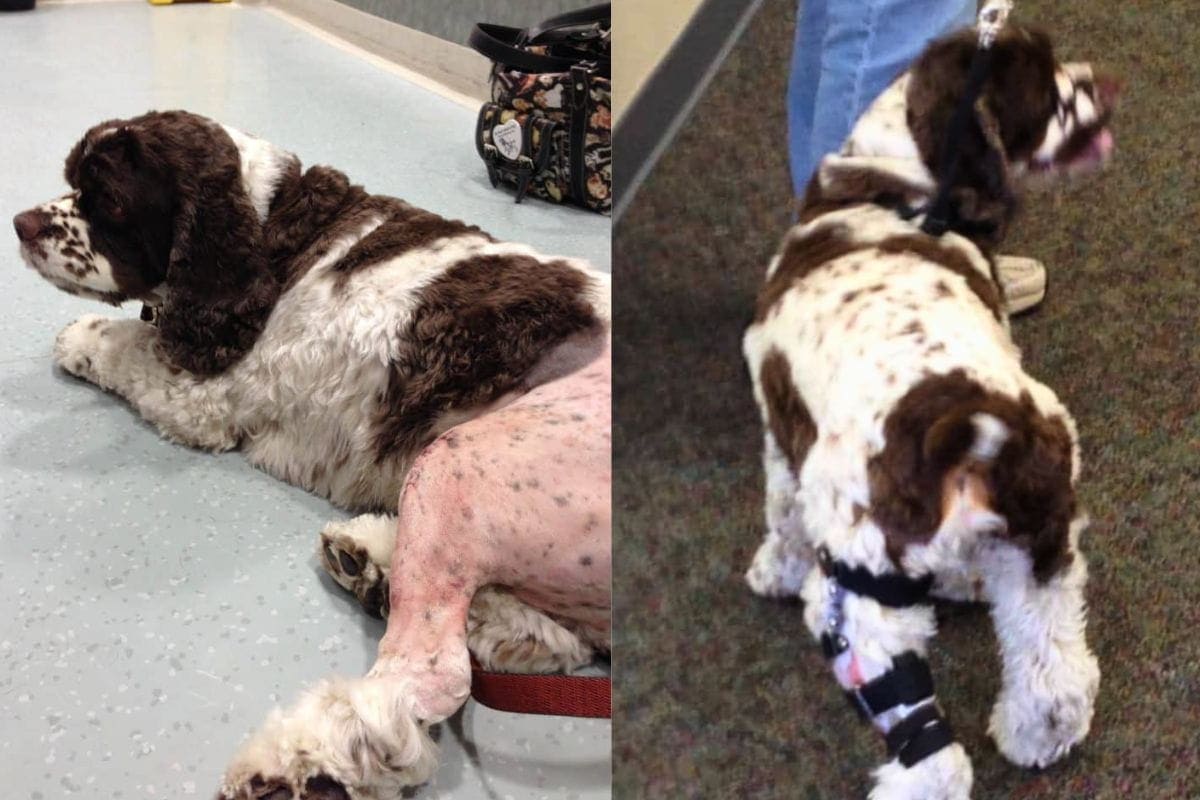
I know this firsthand, as my second Cocker Spaniel, Dexter, went through two ACL (anterior cruciate ligament) surgeries, and nothing puts the reality of joint injuries into perspective quite like watching your dog recover from one, let alone two. If I knew then what I know now, he may not have ruptured both ACLs a year apart.
For dogs like Cocker Spaniels, especially, the combination of an athletic build and an absolutely unhinged enthusiasm for life can make them more vulnerable than pet parents expect.
What I’ve learned, sometimes the expensive way, is that injury prevention isn’t about slowing your dog down. It’s about building the strength, balance, and body awareness that allow them to run hard without paying for it later.
Some of the links in this article are affiliate links. As an Amazon Associate, I earn from qualifying purchases. I am also an Etsy and Chewy affiliate.
Why Are ACL Injuries in Dogs So Common?
Dog ACL injuries, technically called cranial cruciate ligament (CCL) tears, are common because the ligament is constantly under stress during movement. Sudden direction changes, slipping on wet surfaces, and jumping are frequent triggers. Dogs with weak stabilizing muscles, excess weight, or poor conditioning are especially vulnerable to these injuries.
When it tears, partially or fully, the knee becomes unstable and painful, and surgery is often the only effective fix. Recovery typically takes three to six months, and dogs who tear one ACL have a significantly higher chance of tearing the other.
Most ACL injuries in dogs happen during:
- Sudden sprints after a ball or squirrel
- Slipping on wet grass, muddy yards, or slick decks
- Twisting during rough play
- Jumping off furniture, decks, or out of cars
- Sudden stops while running at full speed
- Leash lunging toward another dog or a scent
What makes this especially tricky is that ACL injuries often aren’t caused by one single dramatic event. They build up over time, and then one awkward step finishes the job. That’s exactly what happened with Dexter, and it’s why conditioning matters so much more than most people realize.
When winter activity levels drop, and spring excitement rises, those underlying weaknesses can show up quickly. I wrote all about my dog’s ACL surgeries and what did and didn’t work.

Why Does Spring Increase ACL Injury Risk in Dogs?
Spring increases the risk of ACL injury in dogs because most dogs lose muscle conditioning during winter’s reduced activity. When warmer weather arrives, dogs immediately resume high-intensity play – sprinting, jumping, and turning, before their stabilizing muscles have rebuilt. This combination of deconditioning and sudden exertion puts serious strain on knee ligaments.
Seasonal transitions play a major role in dog injuries.
During colder months many dogs:
- exercise less frequently
- lose muscle conditioning
- develop weaker stabilizing muscles
- spend more time indoors
Then spring arrives and suddenly dogs are:
- running
- jumping
- turning quickly
- pulling on leash
- playing longer outside
That sudden change from inactivity to intense movement puts stress on joints that may not be fully prepared.
Other seasonal risks include:
- wet grass or muddy yards
- slippery decks or patios
- uneven trails
- dogs pulling harder on leash from excitement
- jumping from cars after long drives
These conditions increase the chance of sprains, strains, and ACL injuries.
Warning Signs Your Dog May Be at Risk for ACL Injury
Think of it this way: a person who barely moved all winter and then plays a full basketball game in March is going to pull something. Dogs are no different; they just don’t have the sense to ease back in.
During winter, many dogs naturally:
- Exercise less frequently and for shorter durations
- Lose muscle tone, especially in the legs and core
- Develop weaker stabilizing muscles around the knee and hip
- Spend more time resting indoors
Then spring hits, the back door opens, and suddenly they’re running flat out, spinning, jumping – and their joints aren’t ready for it. Add wet grass and slippery surfaces to the mix, and you have a recipe for injury.
Other seasonal hazards worth watching for include muddy or uneven trails, dogs pulling much harder on the leash from sheer excitement, and jumping in and out of cars after long winter breaks. Small slips and stumbles that seem harmless can add up.
How Do You Prevent ACL Injuries in Dogs?
Preventing ACL injuries in dogs requires three things: gradually rebuilding muscle strength after winter, improving balance and body awareness through proprioception exercises, and teaching controlled movement before high-energy outdoor play.
Conditioning tools such as the Blue-9 KLIMB or KLIMB Jr. platforms, and structured warm-up routines significantly reduce joint stress and injury risk.
1. Rebuild Conditioning Gradually After Winter
The most important thing you can do in early spring is resist jumping straight into long runs or intense play. Start with shorter walks on leash, controlled movement exercises, and activities that activate stabilizing muscles before you let your dog loose in the yard.
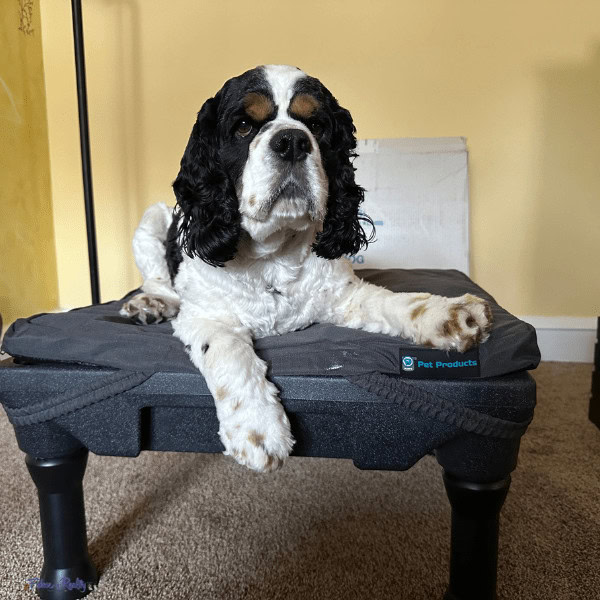
Platforms like the Blue-9 KLIMB give dogs a structured surface to practice deliberate, controlled movements – stepping up and off, targeting positions, shifting weight. These exercises activate the small stabilizing muscles that protect the knee joint without the impact of free running.
Sir Alvin does KLIMB work throughout the year, but especially in early spring when we’re rebuilding after quieter winter months. Even 10 minutes of focused platform work a few times a week makes a measurable difference in how he moves.
2. Build Balance and Body Awareness
Dogs don’t naturally think about how they’re moving their bodies – they just react. Developing proprioception (body awareness) helps them move more efficiently and recover balance when they start to slip or land awkwardly.
Balance platforms like the Blue-9 Propel Air Platform engage stabilizing muscles and encourage dogs to be deliberate rather than reactive. It’s one of the most underrated tools for injury prevention, and it’s something Sir Alvin and I work on regularly.
Even short daily sessions (five to ten minutes) build the kind of physical awareness that can prevent an awkward landing from turning into a torn ligament.

3. Warm Up Before Outdoor Play
This one sounds simple, but most of us just open the back door and let our dogs explode outside. A few minutes of intentional warm-up before intense play can significantly reduce injury risk.
Our warm-up with Sir Alvin looks like this:
- A slow 5-minute leash walk to activate muscles
- A few reps of stepping on and off the KLIMB
- Some easy figure-eight walking patterns
- A brief targeting or focus exercise to get him mentally engaged
Only then do we move into off-leash play or more intense activity. It’s become such a habit that Sir Alvin actually goes to his KLIMB when I say, “Let’s go walking,” as he’s learned the routine.
4. Control Leash Lunging
One of the most overlooked causes of knee injuries is the sudden lunge on leash: that explosive pull when your dog spots a squirrel or another dog. The torque that is put on their joints is significant, especially when repeated over time.
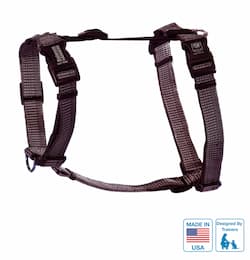
A front-attachment harness like the Blue-9 Balance Harness distributes pressure more evenly across the body and gives you better directional control, which reduces those sudden full-force jerks. Pair it with consistent loose-leash training, and you eliminate a lot of unnecessary joint stress on every single walk.
Bonus: I love that the Blue-9 Reflective Balance Harness and Leash help Sir Alvin be seen on night walks.
5. Use Caution When You Have Your Dog Neutered or Spayed
Current veterinary studies advise caution because early spaying or neutering (typically done before 6 months) is linked to an increased risk of serious, long-term health issues, including orthopedic disorders (such as ACL tears and hip dysplasia) and certain cancers (such as lymphoma and hemangiosarcoma).
While the procedures are generally safe and effective at preventing overpopulation, removing sex hormones at an early age can disrupt growth and development, particularly in large-breed dogs.
Other Seasonal Risks for Dogs
While ACL injuries are one of the most serious orthopedic issues, they aren’t the only seasonal risks dogs face. Several other injuries become more common in spring and summer.
Slips and Falls
- Wet grass, muddy yards, and slick decks can cause dogs to lose footing.
- Even minor slips can strain muscles or ligaments.
Paw Pad Injuries
After months of walking on soft winter surfaces, paw pads may be more sensitive. Sudden activity on rough pavement or gravel can lead to:
- abrasions
- cracks
- cuts
Gradually increasing activity helps toughen paw pads safely.
Sprains and Muscle Strains
Overexertion is a common problem when dogs suddenly become more active.
Signs of a muscle strain may include:
- temporary limping
- stiffness
- reluctance to move
Rest and gradual conditioning usually help prevent these injuries.
Seasonal Allergies and Skin Irritation
- Spring pollen can trigger itching and inflammation in many dogs.
- Excessive scratching or licking can lead to skin injuries or hot spots.
- Monitoring your dog’s skin and grooming regularly can help reduce these issues.
What I Do With My Dog Every Spring
After going through two ACL surgeries with Dexter, I became a bit obsessed with prevention. Those recoveries were hard on him and, honestly, on me. Watching a dog you love go through surgery, then weeks of strict rest, then slow, careful rehab. It’s something you’ll do almost anything to avoid.
So with Sir Alvin, spring conditioning isn’t optional; it’s just part of how we live. I play indoors with my dogs all year long. When the weather starts turning, we shift our routine before we shift our activity level. We add a few extra KLIMB sessions, we slow down the first outdoor walks, and we’re deliberate about warm-ups before yard time. It’s not complicated. It just has to be intentional.
A few years ago, I decided to help Sir Alvin attain his American Kennel Club Trick Dog Titles. I don’t plan to have him perform or get him an agent, but I wanted something to keep his mind and body active. Plus training your dog to do fun things is a wonderful way to build the human-animal bond and keep your dog physically and mentally active.

Those “tricks” are things we do indoors all year long, so Sir Alvin just considers them fun things to do and not commands. He ie never bored, and I only do the exercises and tricks with him that he genuinely enjoys doing.
How I Use Blue-9 Products To Prepare My Dog
- Sir Alvin and I do a few step-up reps on the Blue-9 KLIMB platform, which helps him build strength and body awareness without the risk of slipping on wet grass outside.
- I often have Alvin place his front paws on the Propel Air Platform and hold position, which activates his core and stabilizing muscles that help support his knees and joints.
- Before our spring walks get longer, Alvin practices sit-to-stand “squats” with his front paws on the Propel, which gently strengthens his rear legs and improves balance.
- We also use the KLIMB for controlled pause exercises, teaching Alvin to slow down and move deliberately instead of launching into full-speed zoomies the moment we head outside.
- Even a short indoor session combining KLIMB, Jr. and Propel fun provides Alvin with both mental stimulation and conditioning, strengthening the muscles and coordination that help protect dogs from strains and ligament injuries.
USE CODE FIDOSE20 TO SAVE 20 PERCENT OFF AT BLUE-9.COM ON MOST PRODUCTS.
When to See Your Veterinarian
Even with careful prevention, injuries can still occur. Contact your veterinarian if your dog shows:
- persistent limping
- swelling around joints
- inability to bear weight
- sudden loss of mobility
- severe pain
Early diagnosis often leads to better outcomes. One of the first things most veterinarians will do is the “drawer sign,” which occurs when the tibia moves forward from underneath the femur (similar to a drawer opening).

Frequently Asked Questions About ACL Injuries in Dogs
Small dogs under 25 to 30 pounds sometimes manage partial ACL tears with strict rest, physical therapy, and joint supplements, but larger dogs and full tears almost always require surgical repair. Without surgery, the joint typically develops significant arthritis over time. A veterinary orthopedic specialist can give you the clearest picture of your specific dog.
Note: We tried a custom ACL stifle brace with our Dexter, but it only prevented the inevitable.
Most dogs require 3 to 6 months of recovery after ACL surgery, including several weeks of strict crate rest followed by gradual leash walking and physical rehabilitation. Full return to normal activity is typically around the 4 to6 month mark, though some dogs benefit from continued conditioning work beyond that.
Yes. Labrador Retrievers, Golden Retrievers, Rottweilers, and Newfoundlands have higher rates of ACL injury due to their build and activity levels. Medium-sized athletic breeds like Cocker Spaniels are also at elevated risk. Overweight dogs of any breed face significantly higher risk due to added joint stress.
The most effective prevention exercises focus on building stabilizing muscle strength and improving proprioception. Balance platform work with Blue-9 training tools, slow, controlled stepping exercises, and deliberate movement drills are all excellent. Avoid high-impact, repetitive activities like ball-chasing on hard surfaces until a solid conditioning base is established.
The most common signs are sudden lameness in a back leg, reluctance to put weight on it, and swelling around the knee. Some dogs show a “toe-touching” pattern where they briefly touch the paw down but don’t bear weight. Any persistent limping in a back leg warrants a vet visit, as generally ACL tears don’t heal on their own.
Significantly. Every extra pound adds stress to joints with every step and jump. Studies suggest overweight dogs are two to three times more likely to suffer ACL injuries than dogs at a healthy weight. Weight management is one of the most impactful and often overlooked parts of joint health.
USE CODE FIDOSE20 TO SAVE 20 PERCENT OFF AT BLUE-9.COM ON MOST PRODUCTS.
Final Thoughts on Preventing ACL Injuries in Dogs
Spring is genuinely one of my favorite times of year with Sir Alvin; longer days, better weather, and a dog who is ready to run. But after everything I went through with Dexter, I don’t take any of it for granted.
The good news is that prevention doesn’t have to be complicated or time-consuming. A few minutes of warm-up, some regular conditioning work, paying attention to the surfaces your dog is running on – these small habits add up to a dog who stays healthy and active for years longer.
Build the routine now, before injury forces you to build it later. Your dog is worth the few extra minutes, every single time.
By focusing on conditioning, balance training, and controlled movement with the help of Blue-9 training tools, you can significantly reduce your dog’s risk of ACL injuries and other seasonal problems.
Building strength before high-energy activities helps dogs stay active, healthy, and injury-free for years to come. A little preparation now can make all the difference in keeping your dog moving comfortably through every season.
Let me know how you get your dog ready for spring or outdoor exercise in the comments below!