How to Train a Nervous Dog: 8 Simple Tips That Build Confidence

When my bestie adopted a dog from an area shelter, I knew she would need some help building her confidence. Unfortunately, there wasn’t a big history given about Zola other than that she was confiscated as part of a drug bust. Her new mom, Ellen, fell in love with her on the spot but soon learned that Zola was a nervous, semi-destructive dog.
Not knowing how to train a nervous dog, especially a German Shepherd/Lab/Rottweiler mix, she enlisted the services of a positive reinforcement dog trainer. My friend, Ellen, learned that training a nervous dog requires patience, empathy, and the right tools. As I watched what the trainer taught Zola, and more importantly, taught her mom, I learned many valuable lessons.
This guide offers eight simple, effective ways to build confidence in nervous dogs. You’ll find a mix of practical training strategies, environmental adjustments, and the smart use of structured training tools, such as Blue-9’s KLIMB platform and Balance Harness. When combined, these techniques help transform fearful behaviors into calm, confident habits.
Oh, and I’ll be sharing exactly how Zola blossomed into a confident canine thanks to proper training, love, patience, and a lot of TLC.
Some of the links in this article are affiliate links. As an Amazon Associate, I earn from qualifying purchases. I am also an Etsy and Chewy affiliate.
Why Do Some Dogs Become Nervous?
Here’s what most pet parents aren’t told: nervous dogs aren’t broken. They’re just wired differently, and that’s okay. For example, spent her life roaming the streets, and when she finally found a home, they abandoned her and left her basically for dead.
Confidence isn’t something you force; it’s something you build, one small moment at a time. This isn’t about “fixing” your dog. It’s about showing them the world isn’t as scary as it seems.

Some dogs simply aren’t into socializing due to internal anxiety. For example, Zola was far from a confident, tail-wagging social butterfly at the dog park. She stood in place and drooled, a common sign of a nervous dog. Other dogs may hide behind your legs when someone new approaches, which is what my first Cocker Spaniel, Brandy Noel, did. Or maybe they startle at the sound of a door slamming. Perhaps they’d rather stay home than face the world outside.
But why are some dogs nervous Nellies? It could be from:
- Stress they feel from you
- Genetics (yep, born that way)
- Past traumatic situations or abuse
- Separation anxiety
- Canine cognitive dysfunction
- Lack of early socialization
- Pain or illness (dogs can’t tell us where it hurts)
- Specific triggers such as sounds, scents, objects, or even people
What Nervous Actually Looks Like In Dogs
Forget the dramatic movie scenes. Real anxiety in dogs is usually quieter than you think.
Common signs of nervous behavior in dogs includes:
- Lip licking or yawning
- Tail tucked or low
- Shaking or trembling
- Backing away from people or objects
- Barking or growling when uncertain
- Refusing food in stressful situations
- Avoiding eye contact
My Brandy Noel would seemingly “air lick” for a good 10 minutes at a time. It was determined to be anxiety; she was nervous whenever left alone. One time, I came home early from an appointment and found her seizing in the corner of my living room. After ruling out medical causes, our veterinarian determined she had separation anxiety. Once we learned how to help her and ourselves, she never seized again in all of her 15 years.
Sometimes dogs yawn when they are anxious or nervous. Not the sleepy kind of yawning, but the “I’m stressed and don’t know what else to do” kind. Or perhaps your dog is in a situation that frightens them to their very core. They may shake or do the “whale eye” thing (that side-eye thing where you see the whites). They want to be invisible.
Some dogs startle easily; others struggle with unfamiliar environments, loud sounds, or body handling. Understanding the root of your dog’s fear is the first step in choosing the right training strategy.
If you recognize these signs, your dog isn’t being “bad;” they’re communicating stress. But there is help, and here’s what to do, what I’ve learned, and what some of the best professional positive reinforcement dog trainers have to say.
How to Train a Nervous Dog
Here’s what actually works and what totally doesn’t in simple, easy-to-follow language. I know because I’ve done this, have seen it work, and start with the mindset that, like people, each dog is an individual. What works for one may not work for another. Some tactics apply to all dogs everywhere.
1. Start With Predictable Routines
Nervous dogs are constantly scanning for threats. When literally everything is unpredictable, they can’t relax as in ever. Imagine how that feels.
So start by feeding meals at the same time. Walk the same route initially. But here’s the part people miss: it’s not about being rigid. It’s about creating stability in dogs, giving them the sense that “I know what happens next” in a chaotic world. Once your dog finds solid ground, they can start exploring. This forms the foundation for all other confidence-building work.
Real-life experience: Using my friend’s dog, Zola, as an example, her dog trainer told her to create a routine. Zola never had stability and lived her first 1-½ years in chaos. After about a month of routine, getting to know her mom wasn’t leaving, she began exhibiting more confidence and didn’t shake at the groomer or vet visits. That was a fantastic start!
2. Use a Structured Training Platform to Create Safe Successes
Nervous dogs want to feel safe, what I like to call a “home base.” This is where a trainer-recommended training platform like the Blue-9 KLIMB or KLIMB, Jr. actually makes sense. Not because you need to buy stuff, but because nervous dogs need a spot that means “you’re safe here, always.”
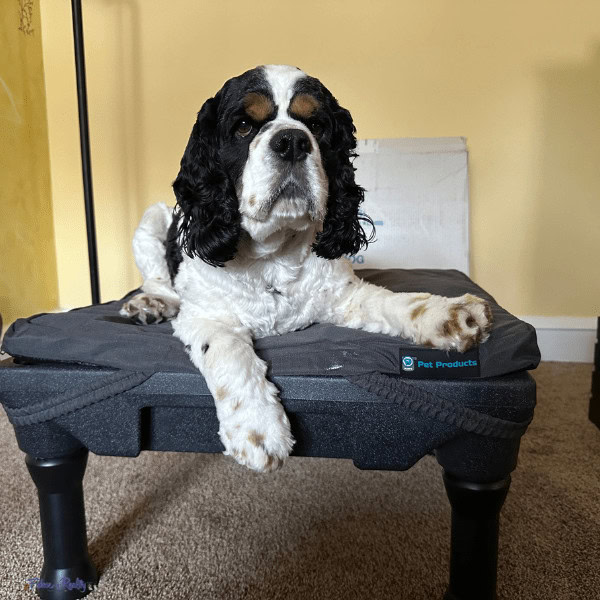
Real-life experience: What matters is that it’s theirs, it doesn’t move, and nothing bad ever happens there. When Ellen first adopted Zola, she wouldn’t leave her kennel with the door open for weeks. She used the KLIMB elevated training platform as her “safe space.” Her mom coaxed her with treats, and once Zola hopped onto the KLIMB, she rewarded her with lots of loving pets.
Fun fact: The elevated part helps, too. Being slightly off the ground and giving them a better view makes anxious dogs feel safer. True story.
Here’s more about the KLIMB and KLIMB Jr. Keep everything positive and pressure-free.
USE CODE FIDOSE20 to save 20 percent off most items on Blue-9’s website
3. Use Gentle Handling and Low-Pressure Body Cues
Don’t try to force your nervous dog to face their fears. I see this a lot.
I see this constantly. Pet parents may think, “I’m bringing my nervous dog to the farmer’s market so they get used to crowds!” No. That’s like throwing someone with a fear of heights off a cliff and calling it exposure therapy.
Instead, if your dog has an outward fear or something, allow them to look at the scary thing from far away. Like, really far. So far away they barely care. Treat. Repeat. Next week, maybe five feet closer. That’s it.
Your dog scared of strangers? Don’t invite your chatty neighbor over to “help socialize” them. Instead, let your dog watch people walk by from the window. Reward calm observation. Build from there.
Confidence comes from repeated success, not forced bravery. From real-life experience, my friend Ellen had no idea why certain situations made Zola nervous, but she never forced her to do anything.
Bonus: Never ever scold your dog or raise your voice if they aren’t doing what you want. This will only set the relationship back and make matters worse. K?
4 Reward the Quiet Moments
Everyone remembers to reward sit, stay, and come. But nervous dogs need you to notice when they’re NOT freaking out.
Your dog sees another dog on the walk and doesn’t react? Jackpot treat. They hear a loud noise and just… pause instead of bolt? That’s huge. Tell them.
You’re teaching them that staying calm is the actual goal, not just obeying commands.
5 Use Confidence-Building Walking Gear
Walking can be overwhelming for nervous dogs, especially if they feel physically restricted or insecure. A comfortable, well-designed harness like the Blue-9 Balance Harness gives them freedom of movement and reduces pressure that might increase anxiety.

I use the Blue-9 Balance Harness and leash with my dog, Sir Alvin, because it fits well, reduces pulling without discomfort, and is reliable. The Blue-9 Balance Harness works because it doesn’t tighten when they move. Anxious dogs are already on edge, and they don’t need gear that shifts and squeezes unpredictably. Front-clip options give you gentle steering without the choking that makes panic worse.
Here’s more about the Blue-9 Balance Harness and why we love it.
USE CODE FIDOSE20 to save 20 percent off most items on Blue-9’s website
6 Break Everything Into Incredibly Small Steps
Take micro-steps with your nervous dog.
Dog afraid of the vet? Don’t start with an appointment. Drive to the parking lot. Sit there. Treats. Go home. Next time, walk to the door. Treats. Go home.
It feels very slow, I know. But nervous dogs can’t learn when their brain is screaming “DANGER.” You have to keep them under that threshold where they can still think, still take treats, still process information. Some dog trainers call this the success ladder.
The “success ladder” sounds fancy, but it’s really just: where can my dog succeed right now, and what’s the tiniest next step?
7 Make Training Feel Like Hanging Out
Nervous dogs don’t need boot camp. They need to learn that training sessions mean good things happen and nobody gets hurt. One of the first trainers my friend, Ellen, dealt with was more of a military-style trainer, and she left skid marks, so she left those classes and found a better trainer with compassion and understanding.
Keep your treat pouch handy (Blue-9 makes a solid one that doesn’t flap around). Play “find it” games—sniffing literally calms their nervous system. Let them touch your hand for treats. Build a tiny obstacle course with cushions and let them explore.

When training stops feeling like a test and starts feeling like “we’re just doing stuff together,” everything shifts. Training should be fun with reward-based activities for nervous dogs, such as:
- Find It (sniffing reduces anxiety)
- Targeting (touching a hand or object builds bravery)
- Mini agility using the KLIMB or KLIMB, Jr.
- Puzzle toy exploration
Learn more about confidence-building in dogs with our article on the topic.
8 Be Your Dog’s Advocate and “Bouncer”
This is the hardest one for most people, but it’s in your dog’s best interest.
You have to run interference. Stop well-meaning strangers who want to pet your “cute”, terrified dog. Leave parties early. Skip the busy park and go somewhere quiet. Say no to things that make your dog more nervous.
Zola’s trainer told my friend to do this even with family members who think she was being overprotective.
Bottom line: Your dog needs to know you’ll keep them safe before they can start feeling brave. Once they trust that you’ve got their back, their world opens up.
Practice this:
- Step in between your dog and something overwhelming.
- Avoid crowded places until your dog is more confident.
- Don’t allow strangers to pet your dog unless the dog initiates.
- Keep sessions short and end on a win.
FAQ: How to Train a Nervous Dog
How do I calm a nervous dog during training?
Use short sessions, high-value treats, and a predictable routine. Structured tools like the KLIMB or KLIMB, Jr. help create a controlled environment where the dog can focus.
What is the best way to build confidence in a nervous dog?
Start with small, achievable tasks and reward calm behavior. Gradually expose your dog to new experiences using slow, controlled steps.
Should I force my nervous dog to face fears?
No. Forcing increases fear. Instead, let your dog explore at their own pace and reward curiosity, not bravery.
Are certain training tools better for nervous dogs?
Yes. Comfortable, no-pressure tools like the Blue-9 Balance Harness and KLIMB platform help create stability and reduce anxiety during training.
Bottom Line on Training a Nervous Dog
Training a nervous dog isn’t about fixing a problem. It’s about building confidence through trust, structure, and positive reinforcement. With the right mix of gentle guidance, predictable routines, and supportive tools, nervous dogs learn to feel safe in their world.
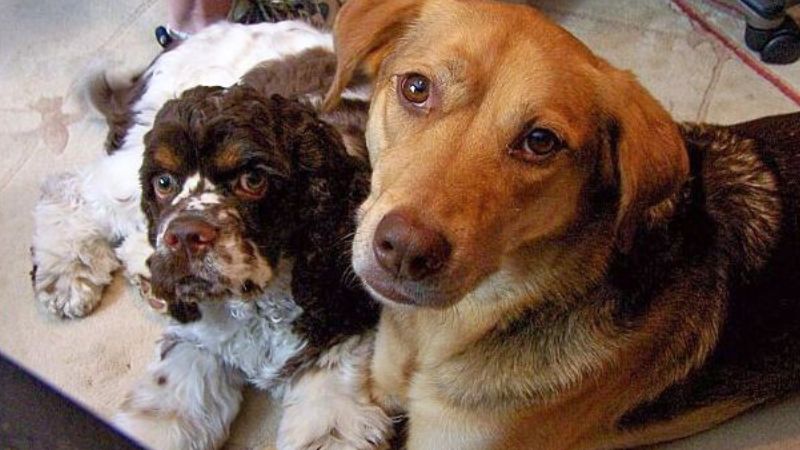
Zola went on to live for 15 years and developed confidence through consistency, love, and positive reinforcement. She still had some nervous tendencies, but her mom prepared for those situations to ensure Zola lived her very best life. She and my belated dog, Dexter, became the best of friends.
Your dog doesn’t need to become fearless to thrive; they simply need to know you’re leading them safely and giving them every opportunity to succeed.